Advanced Skin Care for Hair Restoration Success
- Angela Walitt
- Jan 8
- 4 min read
The quest for luscious locks often leads individuals to explore various hair restoration methods. However, many overlook a crucial aspect of this journey: skin care. The health of your scalp can significantly impact hair growth and restoration. In this post, we will delve into advanced skin care techniques that can enhance hair restoration success, providing you with practical tips and insights to achieve your hair goals.
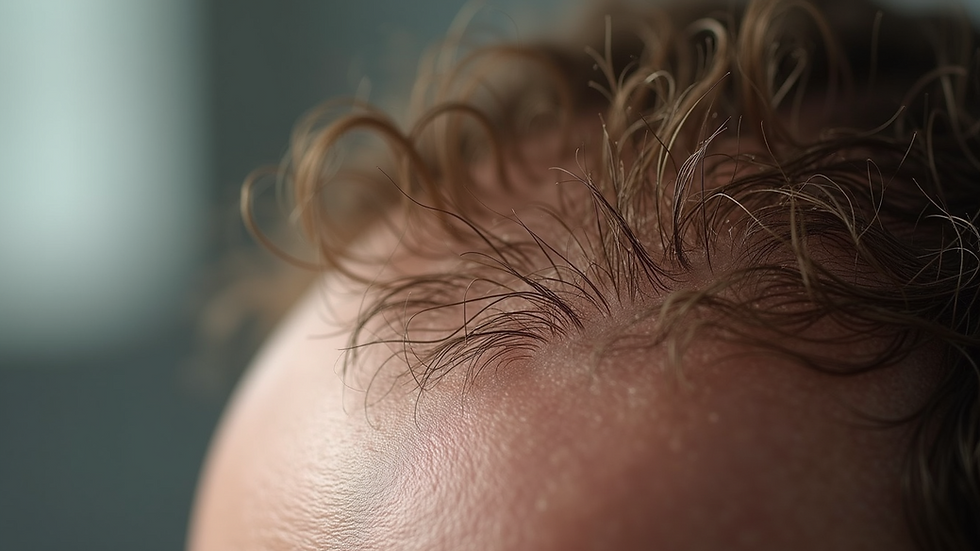
Understanding the Connection Between Scalp Health and Hair Growth
Before diving into specific skin care techniques, it’s essential to understand how scalp health directly influences hair growth. The scalp is the foundation for hair follicles, and its condition can either promote or hinder hair growth. Here are some key points to consider:
Blood Circulation: A healthy scalp has good blood circulation, which nourishes hair follicles. Poor circulation can lead to hair thinning and loss.
Sebum Production: The scalp produces sebum, an oily substance that keeps hair moisturized. An imbalance can lead to dryness or excessive oiliness, both of which can affect hair health.
Skin Conditions: Conditions like dandruff, psoriasis, or eczema can create an unhealthy environment for hair growth. Addressing these issues is crucial for restoration.
Essential Skin Care Practices for a Healthy Scalp
Regular Cleansing
Keeping the scalp clean is fundamental. Use a gentle, sulfate-free shampoo to avoid stripping natural oils. Aim to wash your hair:
Every 2-3 days for normal hair types.
Once a week for dry or curly hair.
Daily for oily hair types.
Exfoliation
Just like your face, your scalp benefits from exfoliation. This process removes dead skin cells and product buildup, promoting healthier hair growth. Consider these methods:
Physical Exfoliants: Use a scalp scrub with natural ingredients like sugar or salt.
Chemical Exfoliants: Look for products containing salicylic acid or alpha hydroxy acids (AHAs) to gently dissolve buildup.
Moisturization
Hydration is key for a healthy scalp. Use lightweight oils or scalp serums that contain ingredients like:
Jojoba Oil: Mimics natural sebum and provides moisture.
Tea Tree Oil: Has antimicrobial properties that can help with dandruff.
Aloe Vera: Soothes and hydrates the scalp.
Sun Protection
Just like your skin, your scalp can suffer from sun damage. If you spend extended periods outdoors, consider wearing a hat or using a scalp sunscreen to protect against UV rays.
Advanced Treatments for Scalp Health
Microneedling
Microneedling involves using tiny needles to create micro-injuries on the scalp. This process stimulates collagen production and enhances blood flow, promoting healthier hair growth. It can be performed by a professional or at home with a dermaroller.
Platelet-Rich Plasma (PRP) Therapy
PRP therapy involves drawing your blood, processing it to concentrate the platelets, and injecting it into the scalp. This treatment can rejuvenate hair follicles and promote hair growth. Studies have shown promising results, making it a popular choice for those seeking advanced hair restoration.
Laser Therapy
Low-level laser therapy (LLLT) is a non-invasive treatment that uses specific wavelengths of light to stimulate hair follicles. This method can improve hair density and thickness over time. Many clinics offer LLLT, and there are also at-home devices available.
Nutrition and Lifestyle Factors
Diet
A balanced diet rich in vitamins and minerals is crucial for both scalp and hair health. Focus on:
Omega-3 Fatty Acids: Found in fish, flaxseeds, and walnuts, these promote scalp health.
Biotin: Present in eggs, nuts, and whole grains, biotin supports hair growth.
Zinc: Found in meat, shellfish, and legumes, zinc plays a role in hair tissue growth and repair.
Hydration
Staying hydrated is essential for overall health, including scalp health. Aim for at least 8 glasses of water a day to keep your skin and scalp hydrated.
Stress Management
Chronic stress can lead to hair loss. Incorporate stress-reducing practices into your routine, such as:
Meditation: Helps calm the mind and reduce anxiety.
Yoga: Promotes relaxation and improves blood circulation.
Regular Exercise: Boosts endorphins and improves overall well-being.
Common Scalp Issues and Solutions
Dandruff
Dandruff can be a significant barrier to hair restoration. To combat this:
Use anti-dandruff shampoos containing zinc pyrithione or ketoconazole.
Incorporate tea tree oil into your scalp care routine for its antifungal properties.
Dry Scalp
A dry scalp can lead to itching and flaking. To alleviate this:
Use moisturizing shampoos and conditioners.
Apply a weekly hydrating mask to your scalp.
Oily Scalp
An oily scalp can lead to clogged follicles. To manage this:
Use clarifying shampoos once a week to remove excess oil.
Avoid heavy styling products that can contribute to buildup.
Conclusion
Achieving hair restoration success goes beyond just focusing on hair products. By prioritizing scalp health through advanced skin care techniques, you can create an optimal environment for hair growth. Remember to maintain a consistent routine, address any scalp issues promptly, and nourish your body from within. With dedication and the right approach, you can unlock the full potential of your hair restoration journey.
Take the first step today by assessing your scalp health and implementing these practices. Your hair will thank you!


Comments